All images courtesy of CES.
Everyone has a plan until they get punched in the face. That’s a quote often attributed to the Mike Tyson character featured in a popular boxing game on Nintendo in the 80s. I’ve never boxed, but the training it takes to be the champ in the ring has some parallels in the PR space. And as more brands realize that earned media coming from PR placements — not Meta ads — is what’s driving AI-based search, the competition is even stiffer.
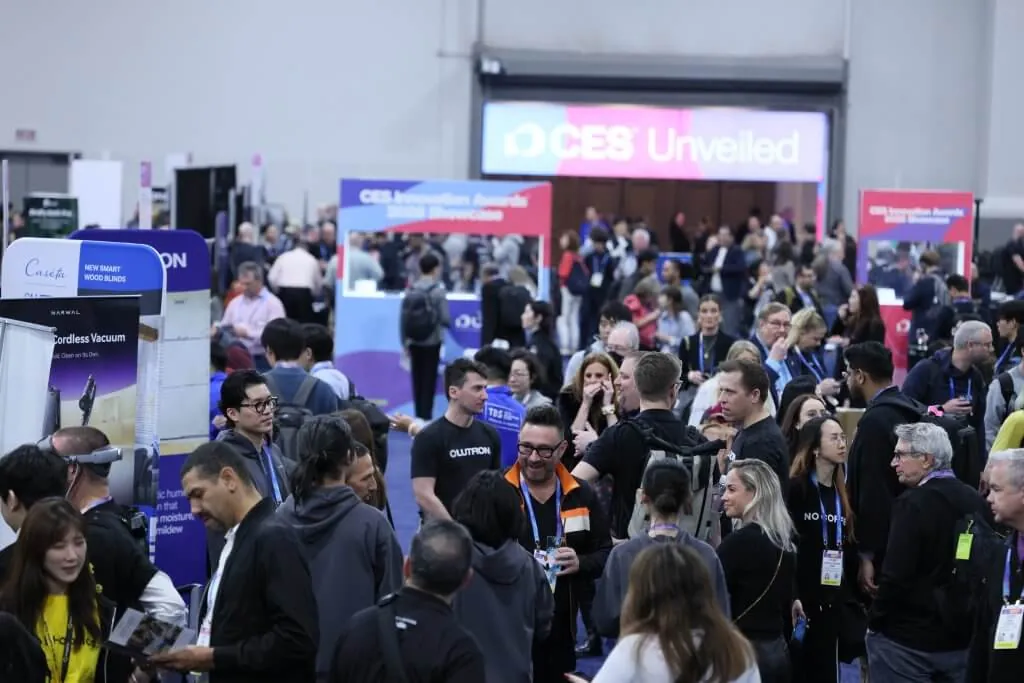
But at CES, the competition is more akin to a WWE Battle Royale. A ring full of bodies. Competition from all sides. The world’s best and the most hyped, all at once. And the one who eliminates you might be a brand five levels below you, grabbing your spot on the way up.
CES 2027 opens January 6 in Las Vegas. Last year’s show drew close to 150,000 people and more than 4,000 exhibitors. About 1,200 of those exhibitors were startups in Eureka Park alone. And they all want to be in front of the thousands of journalists in attendance.
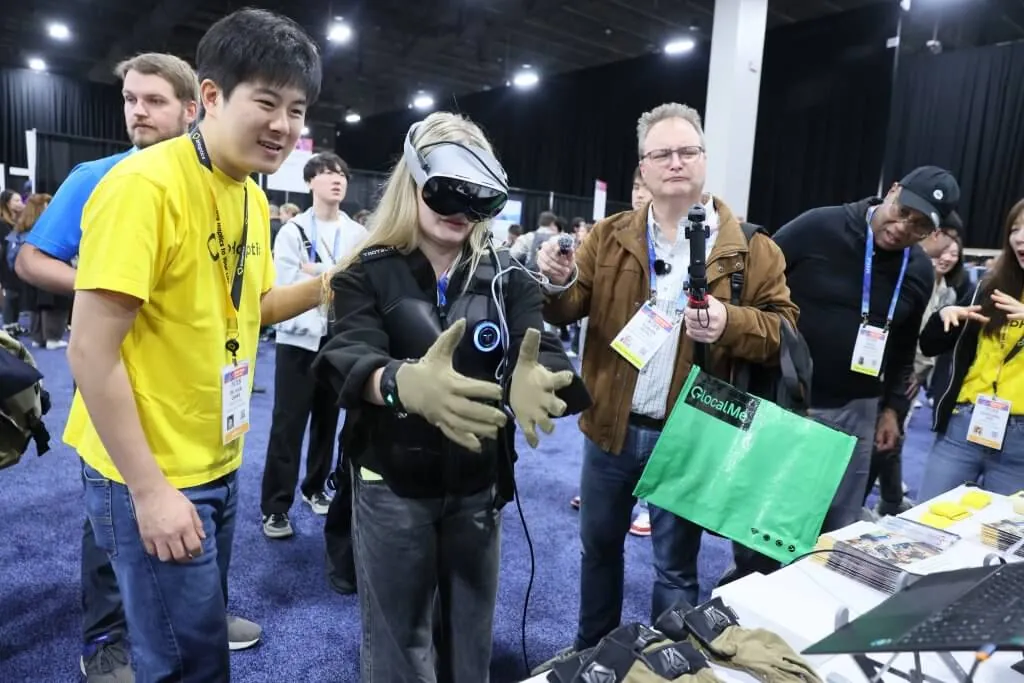
The media is covering everything from robots that dispenses toilet paper to contact lenses for the metaverse. They’re there to see the big names and new upstarts, but they only have so much time.
The upside of being ready for CES is that you don’t need to be the best to score media coverage. But you do have to prepare and have a real story to tell. And a backup. And you have to keep your head on a swivel.
Most of my work as a consultant these days is helping underdogs step up and helping faded brands get their shine back. Neither group wins CES by outspending anyone. They win by being ready.
Get your game plan ready
Preparation comes down to three factors:
1. Timing: Start early. This is when the unglamorous work happens. Fighters don’t get in shape the week of the fight. CES works the same way. Ideally we start planning in August. Media outreach starts in November. That can feel early for a show in January, but think of it like getting a date for New Year’s Eve. If you wait until a week before to ask someone, they’ll probably already have plans.
Only so much media. Way too many brands. And factor in the crunch because of Thanksgiving and the December holidays.
If you’re reading this in November and haven’t started, you’re late, but not out. If it’s early December, you’re very late. You can still scramble, but you won’t save money. If anything, you’re jamming more effort into less time and being OK with a spot in a top 10 roundup instead of a top three.
2. Story. A press release alone isn’t a reason for a journalist to care. The media want to tell stories that matter to their audience. If it’s new for your brand but not new for the space, it doesn’t matter. That won’t drive clicks. What helps is if the brand is hot and has momentum, or if the brand has never been heard of. Even faded brands can shine at CES, especially if they have momentum going in.
Your hero story needs to plug into the conversation reporters are already having, in a way that gives them something new to say. What it doesn’t need to be is “on brand,” and that’s a tough one to accept if you don’t work with the media every day. I get it. You have an image of a headline already. What you don’t have is the insight into what a journalist really cares about. Think of it this way: Why would a reporter cover your story versus any of the other 4,000-plus brands on the show floor?
3. Preparing for the punch. This is your backup plan. You will get punched. It may come when you least expect it. Or harder than anticipated.
We train for this. We expect this. But the sucker punch still hurts. This could happen in your first meeting with a journalist, where they ask, “Isn’t this what Brand X also has?” But if you’re smart, you were watching the pre-show chatter online and walked the floor the night before. So you knew.
Whether it came from a journalist or your own recon, you just got hit hard. And the show runs for four days. Do you fake an injury and head to the locker room? No. The show keeps going.
Let’s flip the analogies here from boxing to the NFL. The player you want to throw the ball to isn’t open. And won’t be open. Do you forfeit?
When you prep for CES, you have your Pitch A, your hero. But you need to have your B and C ready. If your star receiver is covered, you need backup plays. What’s yours?
Focus on positive chatter
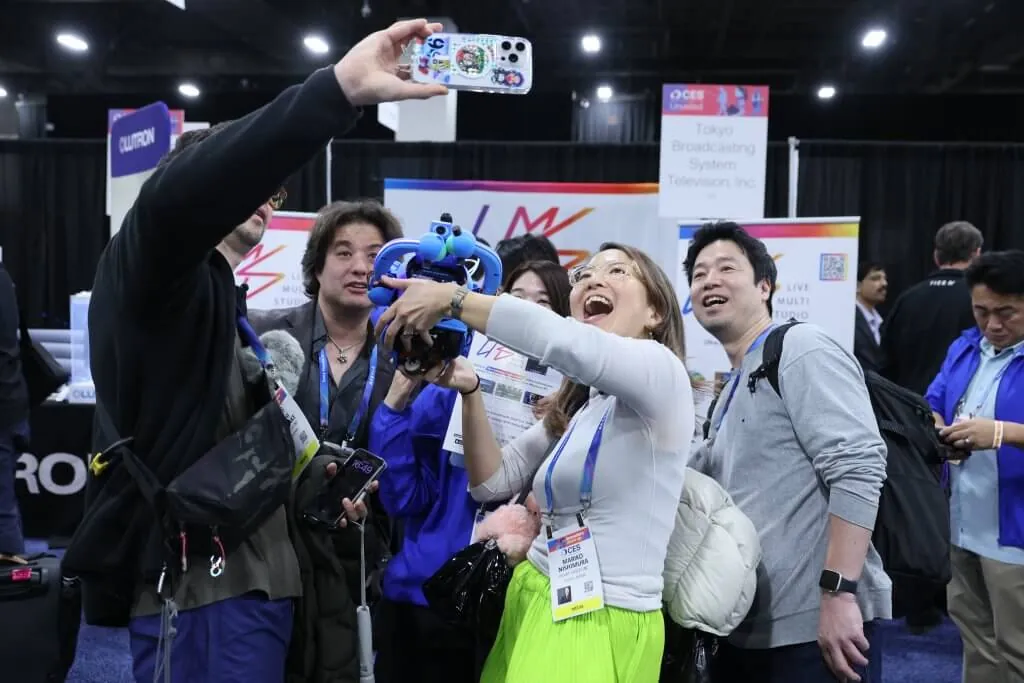
Your main KPI (key performance indicator) heading into CES is to have positive chatter — face-to-face and through earned media. What that chatter focuses on may not be what matters most to your brand, but what should matter most is that people are talking about you in a positive light.
In boxing, you want to be the last person standing. In football, you need to score more than the opposing team. The goal of heading to CES, from a PR perspective, is to score coverage that has your customers and industry talking.
Do you want a knockout? Sure. Touchdown pass that makes ESPN’s SportsCenter? Of course. But in boxing, winning by decision is still winning. In football, it doesn’t matter whether you throw the ball into the end zone or kick a field goal.
For CES, prep to make the big plays. But don’t forget the backup plan.
Bill Byrne is a PR and media strategist with more than 25 years of experience working with consumer tech, lifestyle, and financial brands. He’s the co-founder of Remedy PR.
Informal is a freelance collective for the most talented independent professionals in hardware and hardtech. Whether you’re looking for a single contractor, a full-time employee, or an entire team of professionals to work on everything from product development to go-to-market, informal has the perfect collection of people for the job.