How Baloo the cattle dog inspired a new training system
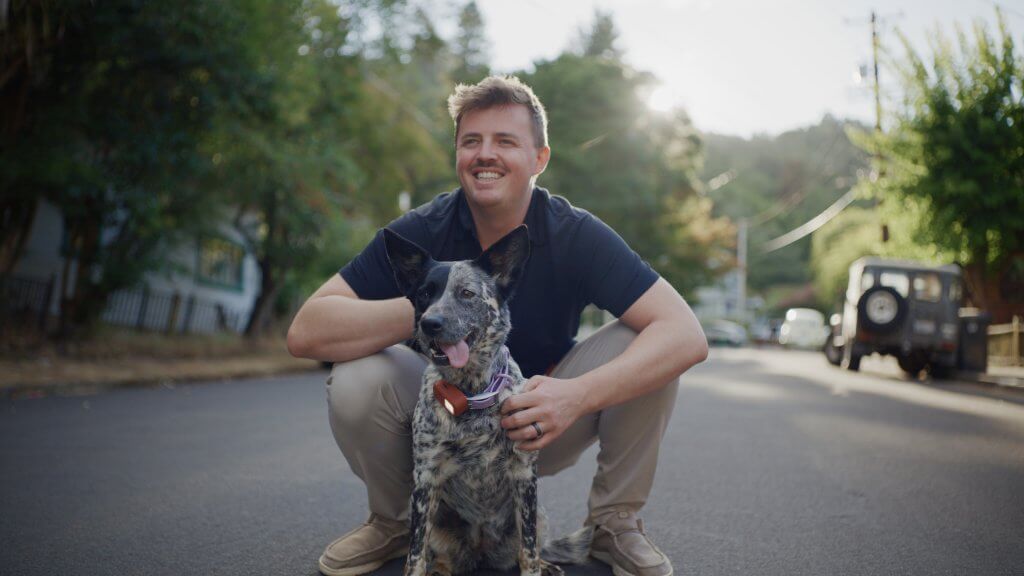
Oftentimes, the best ideas are born from a personal need. After all, necessity is indeed the mother of invention. And that’s certainly true when it comes to Miles Pepper and his newest creation, the DogVibe smart training collar system. Miles has worn many hats in his career, including product designer, brand builder, founder, and VP of marketing, so he understands what it takes to build out a great idea and take it all the way to market. He’s also a member of the informal hardware collective.
His newest creation, the DogVibe system, has been a labor of love dedicated to his favorite quadruped, Baloo the cattle dog. He launched his Kickstarter campaign earlier this month and blew past his $20k goal in no time. With just over a week left, he’s already raised over $470k with the backing of more than 1400 people. Clearly, he’s not the only one who needs this product. We chatted with him to learn more about his process, product, and crowdfunding success.
What inspired you to develop the DogVibe system?
I was running marketing at Woof, a dog toy company, and I kept seeing people struggle with training their dogs. Pulling on the leash, not coming when called, barking, all sorts of different problems. At the same time, there was almost zero innovation in the smart dog collar space.
You had:
- Antiquated e-collars that are intimidating to use and don’t come with much training
- Smart collars that only do tracking
- A lot of specific problems people don’t really know how to train for
I’d been through it myself with my dog Baloo. I trained her up on an e-collar, which is a fantastic tool for getting a dog reliable off-leash, but daily use was inconsistent, and consistency is everything in dog training.
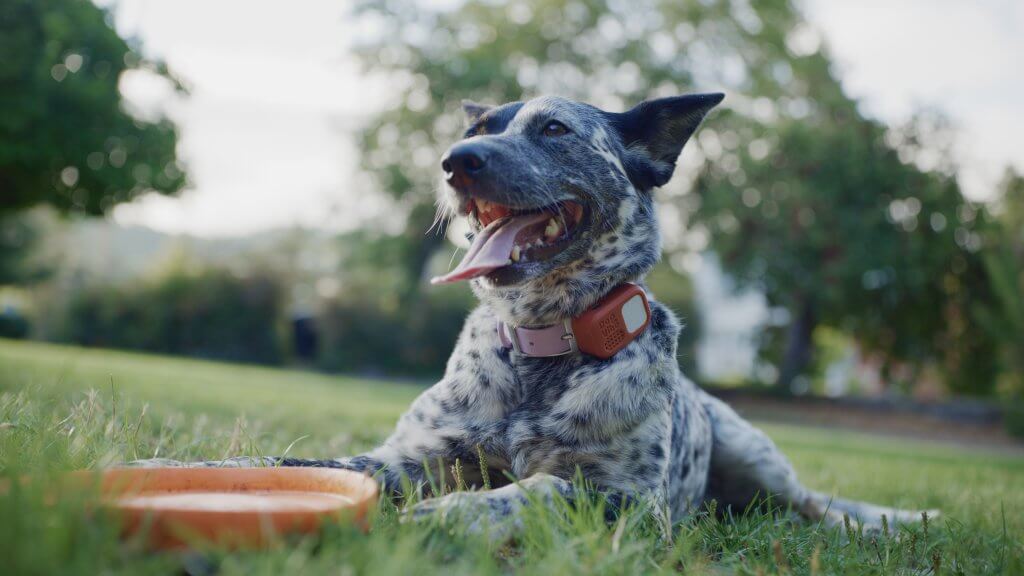
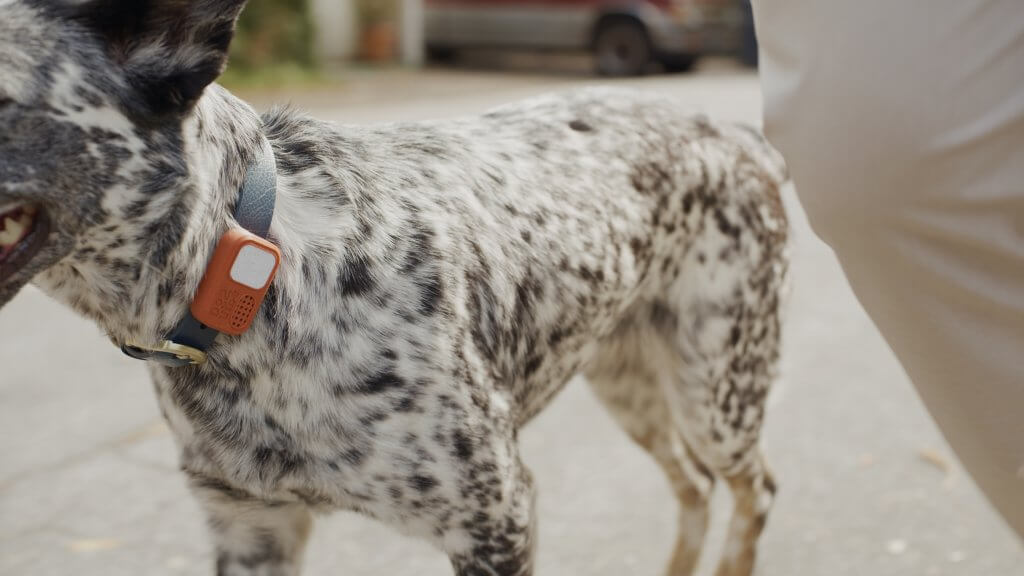
So I built a system around that. It’s Bluetooth-controlled, and I was able to put widgets on your phone’s lock screen, so you can give the right cue at the right moment without digging for a remote. For leash pulling, there’s a leash module that gives automatic feedback when the dog pulls. Proximity mode works like a virtual fence that moves with you. People have attempted these ideas before, but no one has really brought anything decent to market. I wanted to combine it all into one great product that just works.
What was your R&D process like?
A lot of figuring it out myself: 3D printing, building the app, firmware, software. I leaned heavily on Claude Code to get a V1 device up and running. I don’t have a coding background, but I knew exactly what I wanted, and those tools cut the learning curve way down. I got to a prototype that was good enough to show people a lot faster than I would have otherwise.
Then I went to China in June to work with a small team I’ve worked with before. We made 20 units, enough for investor meetings, the Kickstarter video, and testing with real dogs.
What factors contributed to your Kickstarter campaign’s success?
I know my customer’s pain points because I’ve lived them. This has been a huge leg up here.
I’ve also spent years in this space, so I know this customer and how to talk to them.
The other big factor was the ads. I did a lot of testing early on as I was still building prototypes.
Meta ads honestly aren’t hard. Even as a beginner, there’s so much good content out there on how to get started. I’ve been on teams with big ad budgets and teams without, and for DogVibe, I just did it myself from the ground up. That’s how we built a big pre-launch list before day one, and going into launch with a list of people who already want the thing makes all the difference. Getting stuff live is easier than it’s ever been.
How would you describe your journey to becoming an inventor?
I’ve always been a tinkerer. I was always fiddling with things and making stuff, and I’m self-taught in pretty much everything. I thought my career was going to be in film. Then, in my early 20s, I had an idea for a collapsible drinking straw, FinalStraw. I launched it on Kickstarter, it went viral, and we ended up on Shark Tank. That took my career in a completely different direction, and since then, it’s been about making things and bringing them to market.
What unexpected lessons have you learned in your years of developing and marketing products?
If you think you have a great idea, you might (I sure hope you do!). But the real question is how many people out there will actually buy it. Keep expectations low, test the market, and talk to as many people as you can get in front of. Validating an idea online is easier and cheaper than ever.
I’ve also launched things that didn’t do well, products I thought were great. Markets change and assumptions are wrong all the time. So get a V1 out the door as fast as you can and fail fast, instead of sinking everything into making the perfect thing. Crowdfunding is great for that. You get something real in front of people and iterate from there.
You’ve successfully brought several products from idea to market. What are three golden rules you’d share with someone who wants to do the same?
- Believe in it. If your heart isn’t in the idea, it might be time to step back and slow down. Being sure you want to do the thing makes doing it a lot easier. It’s okay to take time before committing fully.
- Build it for a specific person. With DogVibe, I had three friends with dogs in mind, and I tried to make it as compelling as possible for them, knowing there are a lot of people like them out there. Know exactly who your avatar is.
- Set a deadline and launch. Perfection is the enemy of progress. You’ll never feel totally buttoned up. Go in with three scenarios in your head: It goes exactly how you planned, it goes worse, or it goes way better than you expected. I’ve had all three happen, and having a plan for each scenario helps when things go in either direction.
How has being part of the hardware community and the informal collective helped you?
It’s helped me surround myself with people who are on the same path. I’ve met a lot of really great people doing similar things through the network, and I’m still in touch and working with many of them. I’ve been on both sides, as a client and as a freelancer, and seeing it from both ends has been really valuable.
It’s also where I’d tell anyone to find folks who could help advise. Look for someone a couple of years ahead of you who’s done it better than you have, and lean on them when you have hard decisions to make.
Informal is a freelance collective for the most talented independent professionals in hardware and hardtech. Whether you’re looking for a single contractor, a full-time employee, or an entire team of professionals to work on everything from product development to go-to-market, informal has the perfect collection of people for the job.